
When the first real heat wave hits Walla Walla, many of us start wondering if our air conditioner will keep up and whether a little DIY maintenance can prevent a midsummer breakdown. You might notice higher energy bills, rooms that feel warmer than they used to, or an outdoor unit that sounds a bit louder. It is natural to ask how much you can safely do yourself before calling in a professional.
That question matters, because ignoring basic maintenance can shorten the life of your system and create preventable repair bills. At the same time, taking on the wrong jobs can be risky for both your safety and your AC. This guide walks through practical, safe DIY AC maintenance tasks you can confidently handle and clearly explains which jobs cross the line into technician territory.
At Total Comfort Solutions, we have been maintaining and repairing AC systems in Walla Walla and the surrounding communities since 2008. Every summer we see the same patterns, from systems that run smoothly because homeowners keep up with simple tasks, to units that fail during the first heat wave after years of neglect or aggressive DIY experiments. We wrote this guide to share what actually works in our climate and to help you decide when it is time to call our trained technicians for professional service.
What DIY AC Maintenance Can and Cannot Do for Your System
DIY AC maintenance can do a lot for your comfort and your wallet when it focuses on the right jobs. Simple actions, such as keeping filters clean, clearing debris from the outdoor unit, and checking for early warning signs, improve airflow and reduce strain on key components. That means your system does not have to work as hard to move air, and you are less likely to be surprised by a breakdown in the middle of a Walla Walla heat spell.
There is a limit, however, to what you can safely accomplish with basic tools and online instructions. Deep cleaning inside the unit, diagnosing electrical problems, or working with refrigerant all require specific training and equipment. These tasks affect how heat moves through the system and how much electrical load individual components carry, and they are easy to get wrong without hands-on experience.
We often meet homeowners at two extremes. Some are afraid to touch anything on their AC, so filters go unchanged and shrubs grow into the outdoor cabinet for years. Others feel comfortable opening panels, buying refrigerant kits, and trying to “tune” the system themselves. Both extremes cause trouble. The real value of DIY AC maintenance is in consistently handling a short list of simple tasks and knowing where to stop, so that professional tune-ups can handle the complex, high-risk work.
From our years of summer service calls in Walla Walla, we can say that most avoidable AC problems come down to three things. Airflow is restricted, coils are dirty, or small issues are ignored until they turn into major failures. Your DIY work can address the first and help you spot the third. Our technicians handle what you cannot see, such as internal coil condition, refrigerant charge, and electrical health.
DIY AC Maintenance Tasks Most Walla Walla Homeowners Can Handle
There are several AC maintenance tasks that most homeowners in Walla Walla can handle safely with a little guidance. These jobs do not require opening electrical panels or sealed components, and they offer a strong return on the time you invest. Focusing on these basics keeps your system breathing freely and helps it shed heat the way it was designed to.
The first task is filter care. Your air filter protects the indoor coil and blower from dust and debris. As the filter loads up, it becomes harder for the blower to pull air through it. That reduced airflow can lead to longer run times, higher energy use, and even a frozen evaporator coil if it gets severe enough. Checking your filter regularly and replacing or cleaning it as needed is one of the most effective DIY steps you can take.
The next task is tending to the area around your outdoor unit. The condenser needs a steady flow of outside air across its fins to release heat from inside your home. When leaves, grass clippings, or shrubs crowd the cabinet, the fan has to work harder to draw in air, and the system may run hotter and longer. Keeping at least two feet of clear space around the unit and gently rinsing the exterior fins with a garden hose from the outside in can support proper heat transfer.
Inside your home, you can also help your system by keeping supply and return vents clean and open. Vacuuming or wiping the grilles and making sure furniture or rugs are not blocking them keeps air moving as your system was designed. A quick check of your thermostat settings and batteries rounds out this list. Confirm that the thermostat is set to “cool,” the fan setting matches your preference, and any low-battery indicators are addressed so the system can respond correctly.
How Often to Change Your AC Filter in Walla Walla
In Walla Walla, dust, agricultural activity, and seasonal pollen mean filters often load up faster than homeowners expect. A common rule of thumb is to inspect your filter monthly during heavy cooling use. For many homes, that lines up with late spring through early fall, when the AC runs much of the day and windows stay closed.
If you have pets, allergies, or live near unpaved roads, you may find that a filter that claims to last three months in ideal conditions needs attention sooner in your home. Instead of relying only on the label, pull the filter out and look at it. If the surface looks gray or matted with dust and you can no longer see much filter material, it is time to replace or clean it. Over the years, we have seen that this simple habit saves Walla Walla homeowners from a surprising number of comfort complaints and service calls.
DIY Checks That Help You Catch AC Problems Early
Beyond cleaning and clearing, a few simple checks can help you spot AC problems before they turn into full breakdowns. These do not require tools, only a bit of attention and a willingness to look and listen. When you build them into your routine, you often notice small changes in behavior that signal a developing issue.
Start with a basic thermostat check. Set your thermostat a few degrees lower than the current room temperature and give the system time to respond. You should hear the indoor blower and the outdoor unit start up, feel cool air from the vents, and see the temperature gradually move toward the setpoint. If the system clicks on and off quickly, blows warm air, or runs for long periods without much cooling, something is not right. Those patterns can point to airflow problems, refrigerant issues, or electrical controls that need a technician’s attention.
Next, do a quick visual inspection around your indoor unit and condensate drain. Look for water on the floor or in the drain pan, signs of algae or slime in the drain line, or musty odors near the air handler or in supply vents. When the evaporator coil removes moisture from the air, that water needs to flow freely through the drain line. Partial blockages can cause water to back up, trip float switches, or overflow onto ceilings and floors. Catching this early lets a technician clear the line before you are dealing with water damage.
It also helps to listen for new noises and pay attention to how the system cycles. Grinding, screeching, or loud buzzing noises are never normal and should stop your DIY efforts immediately. Short bursts of operation followed by frequent stops, known as short cycling, can overheat components and point to deeper electrical or refrigerant issues. At Total Comfort Solutions, many of the emergency calls we receive in summer start with one of these warning signs that lingered for weeks before the system finally failed.
AC Maintenance Tasks That Should Always Be Left to a Technician
Some AC tasks cross a clear line where DIY becomes unsafe or more likely to damage your equipment than help it. Anything involving refrigerant, sealed components, or electrical work inside the unit belongs in the hands of a trained HVAC technician. These jobs require specific tools, safety procedures, and an understanding of how each adjustment affects the entire system.
Your AC’s refrigerant circuit is a sealed loop. Refrigerant is not a fuel that gets used up, it moves heat from inside your home to the outdoors by changing pressure and state. If levels are low, there is almost always a leak. Topping off refrigerant without finding and addressing that leak is not a fix, it is a temporary bandage that can lead to worse problems. Handling refrigerant also involves environmental rules and safety concerns, which is why only trained technicians should connect gauges, add refrigerant, or open the sealed system.
Inside the unit, deep coil cleaning and blower work are also technician jobs. The indoor evaporator coil can collect buildup in places that are not visible without disassembly. Cleaning it properly involves choosing the right cleaners, protecting surrounding components, and making sure rinse water drains where it should. The same goes for the blower assembly, where dust on blades can reduce airflow and unbalance the wheel. Attempting to open and clean these parts without training can bend delicate fins, soak electrical parts, or lead to reassembly mistakes.
Electrical components such as capacitors, contactors, and wiring should also be off-limits for DIY. Even with the thermostat off, certain parts of the system can still carry dangerous voltage. Replacing a capacitor or tightening connections might look simple in a video, but the risk of shock or miswiring is real. Our technicians work with these components every day and follow procedures that protect both them and your equipment.
At Total Comfort Solutions, our team is trained to work safely on electrical and refrigerant systems and to explain what they are doing in plain language. We do not just swap parts and leave, we walk you through what we found, why it matters, and what your options are. That way, you can keep your hands on the safe maintenance tasks and trust that the higher-risk work is handled correctly.
Common DIY AC Mistakes That Cost Homeowners Money
The impulse to be handy and save money is understandable, but certain DIY approaches often end up doing the opposite. Knowing what not to do is just as important as knowing what to do. A few common missteps show up again and again in the Walla Walla homes we visit.
One of the biggest is using a pressure washer on the outdoor unit. The thin metal fins on the condenser coil are designed to maximize surface area so heat can move from refrigerant to outdoor air efficiently. High-pressure water easily bends these fins flat, which reduces airflow and turns that section of coil into a wall instead of a radiator. Aggressive coil cleaners can also strip protective coatings or corrode metal if they are not meant for that purpose. A gentle rinse with a garden hose is reasonably safe, but anything more forceful should be left to a technician with the right tools.
Another common problem involves condensate drains. Homeowners pour strong chemicals down the drain line or try to clear blockages by cutting and reconnecting pipes, only to discover leaks inside walls or ceilings weeks later. The AC drain often ties into the plumbing system in ways that are not obvious at first glance. If you see recurring water around your indoor unit or signs of a clogged drain that do not respond to simple, safe treatments, it is better to call in help rather than keep experimenting.
DIY refrigerant kits and sealants may be the costliest mistake. These products promise quick fixes for low refrigerant and small leaks but can introduce chemicals that gum up expansion devices and internal passages. They also mask the underlying leak, so the system continues to lose charge and run inefficiently. We have seen compressors fail prematurely after repeated use of sealants that were meant to avoid a proper repair. In the long run, those shortcuts often turn a manageable leak repair into a major system replacement.
Over the years, our technicians at Total Comfort Solutions have repaired many systems that only needed minor attention before well-meaning DIY work made things worse. You can avoid that by focusing your efforts on cleaning, clearing, and observing, and letting us handle the tasks that involve opening the system or working directly with electrical and refrigerant components.
How Professional AC Maintenance Complements Your DIY Efforts
DIY maintenance and professional service are not competing options. They work best together. When you take care of basic tasks and we handle the technical work, your AC has a better chance of running efficiently and reliably through Walla Walla’s hot months.
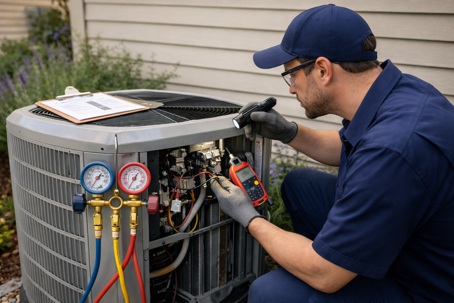
A professional maintenance visit usually includes checks that homeowners cannot perform on their own. Our technicians measure electrical readings on motors and capacitors to see whether they are weakening before they fail. We inspect both indoor and outdoor coils for hidden buildup, verify that refrigerant levels fall within acceptable ranges, and look for signs of small leaks. We also test safety controls, tighten electrical connections, and confirm that the system is achieving proper temperature drop across the coil.
These steps require specialized instruments and the experience to interpret what the readings mean for your particular system. For example, a slightly high amp draw on a condenser fan motor or an unusual temperature split might not trigger an alarm today, but it can tell us that a component is under stress. Addressing those issues during maintenance is often cheaper and less disruptive than waiting for a failure during a heat wave.
Your DIY work makes our visit more effective. When filters are reasonably clean, vents are open, and access around the equipment is clear, we can spend more of our time on diagnostics and fine-tuning rather than basic cleanup. That partnership gives you a stronger return on both your effort and your maintenance investment.
Because Total Comfort Solutions offers straightforward pricing and clear communication, you know what to expect from a tune-up before we arrive. Our technicians explain what they are checking, share what they find, and make recommendations that fit your home and budget. If we uncover issues that go beyond routine maintenance, we discuss repair and replacement options with you before any additional work happens.
When DIY AC Maintenance Is Not Enough: Signs to Call a Pro
Even with good DIY habits, there are times when calling a professional is the smart move. Knowing the difference between small quirks and serious warning signs helps you avoid running a struggling system until it breaks. A few symptoms should stop your DIY efforts and prompt a call to Total Comfort Solutions.
Ice on refrigerant lines or the evaporator coil is one of those signs. It means that something in the system has disrupted the balance between airflow, temperature, and refrigerant. The cause might be a dirty filter, but it can also be low refrigerant, a failing blower motor, or other issues you cannot diagnose from the outside. Continuing to run an iced system can damage the compressor. If you see ice, it is safer to turn the system off and call us.
Repeatedly tripped breakers or fuses are another red flag. Breakers trip to protect wiring and equipment from overloads and faults. Simply resetting them over and over without understanding why they tripped can lead to overheating and, in the worst case, fire risk. Burning smells, sharp electrical odors, or sudden, loud noises from the indoor or outdoor units also point to problems that should only be addressed by a technician.
If your AC runs almost nonstop without reaching the set temperature, that is also a reason to reach out. In Walla Walla’s hottest weeks, longer run times are normal. However, if you have already checked your filter, confirmed vents are open, and made sure the outdoor unit has clearance, and the system still struggles, something deeper is going on. The earlier we can evaluate that, the more options you typically have.
We know that breakdowns rarely happen on a convenient schedule. That is why Total Comfort Solutions offers 24/7 availability and live support. When you notice the warning signs above or anything else that feels concerning, you can reach a real person who can talk through what you are seeing and help you decide on the next step.
Building a Simple AC Maintenance Routine for Your Walla Walla Home
Turning all of this information into a simple routine makes it easier to keep up with your AC care. Instead of thinking of maintenance as a big project, you can treat it as a few small habits spread across the year, supported by a scheduled professional tune-up.
For many Walla Walla homes, a practical routine starts in spring. As temperatures begin to climb, you can change or clean your filter, clear debris around the outdoor unit, and run a short test cycle to make sure the system starts and cools normally. This is also a good time to schedule professional maintenance with Total Comfort Solutions before the first major heat wave fills the calendar.
During peak summer, plan to check your filter monthly and walk around both the indoor and outdoor units for any visible issues. Look for water near the air handler, listen for new noises, and make sure weeds or shrubs have not grown into the outdoor cabinet. These quick checks take minutes but can catch developing problems early.
After the cooling season tapers off, another filter change and a final visual check are usually enough. If your professional tune-up uncovered components that are nearing the end of their life, you can plan repairs or upgrades during the shoulder seasons, when schedules may be more flexible. If a tune-up reveals a larger repair or even a replacement need, our financing options with affordable payments can make that step easier to manage.
Over the years, we have helped Walla Walla homeowners build routines like this that fit their homes and usage patterns. The result is not a system that never needs repair, but one that is less likely to surprise you and more likely to deliver steady comfort when you need it most.
Protect Your Comfort with Smart DIY Maintenance & Local Support
The most effective approach to AC care is a partnership. You handle the safe, simple tasks that keep air moving and give you early warning of trouble. Our trained team at Total Comfort Solutions handles the deeper cleaning, diagnostics, and repairs that require tools, training, and time. Together, that mix helps your system face Walla Walla’s hot summers with fewer surprises and better efficiency.
If you are ready to build a maintenance routine, concerned about something you have seen during your own checks, or simply want your system evaluated before the next heat wave, we are ready to talk with you. Contact Total Comfort Solutions to schedule an AC tune-up or discuss your options for keeping your home comfortable all season.